
When I think about what children need to truly thrive, I think about three things: family, community, and environment. Not just one of them—all three, working together.
That’s the vision at the heart of Goal 2 in Vermont’s Early Childhood Strategic Plan 2030: All Children Are Raised in Safe, Healthy, and Healing Environments. As Vermont’s Early Childhood State Advisory Council, Building Bright Futures (BBF) is committed to making this vision a reality—especially for the families who face the greatest barriers.
Goal 2: All Children Are Raised in Safe, Healthy, and Healing Environments.

Strong Communities Are the Foundation
Early in my career, I did community organizing in Burlington with a team of AmeriCorps volunteers. Our goal was simple but powerful: build safety by building connection. Street clean-up days, neighborhood parties, small acts of showing up for each other. These were the foundation of community resilience.
The same principle runs through Goal 2. When we know our neighbors, design spaces that invite connection, and look out for one another across our differences, we become stronger together. And when we actively fight injustice and center racial equity in child protection and health and human services systems, our children and families are healthier for it.
The Plan is clear that our most vulnerable families, including those with mixed immigration status, families of color, and low-income families without a safety net, face the greatest risks and must be centered in our efforts, not treated as an afterthought.
A New Focus: Climate Change Is a Children’s Issue
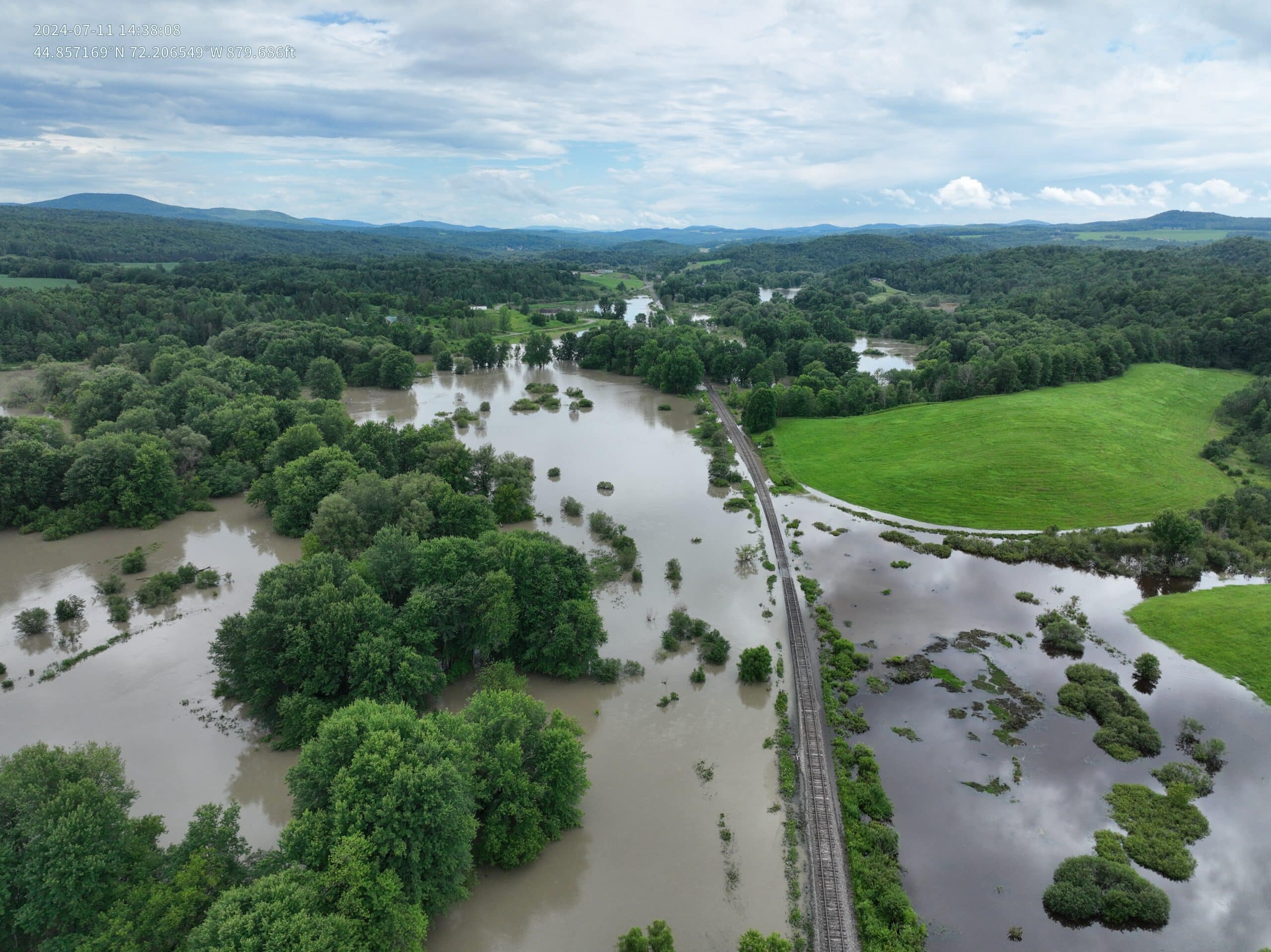
One of the new additions to this version of the Strategic Plan is a direct acknowledgment of something that can no longer be ignored: Climate change is a threat to children’s health and well-being, right now and into the future.
This plays out in two ways. First, there are acute events such as flooding, extreme heat, and wildfires causing poor air quality. Second, there are longer-term stressors such as resource shortages, displacement, and environmental instability that quietly wear families down over time.
For families already living on the edge, these events can be destabilizing in ways that ripple into housing safety, school attendance, and relationships at home. Vermont has seen this firsthand with recurring floods. Some families recover quickly. Others don’t.
Moving from vision (or plan) to action
The Plan calls on all of us to be proactive and creative in building climate resilience with a focus on under-resourced communities. Concretely, this means:
- Building partnerships between early childhood and environmental sectors
- Budgeting for current and future climate impacts
- Expanding equitable access to weatherization, electrification, and utility upgrades for rural homeowners, landlords, schools, municipalities, and more
A strategic plan is only as powerful as the people who act on it. Goal 2 has dozens of concrete strategies—on preventive and mental health care, community infrastructure, emergency preparedness, and racial equity. But moving from vision to reality requires champions.
You can be one.
Whether you work in health care, housing, schools, environmental advocacy, or your own neighborhood, your voice and your work matter. Here’s how to plug in:
- Sign on to the Plan to tell us where you’re already making change.
- Join us on May 18 in Waterbury for the Strategic Plan Summit, featuring small group discussions on climate resilience, caregiver isolation, and navigating federal funding threats, to name a few.
- Join a Regional Council Strategic Plan Meeting in April or May if you can’t make it to Waterbury in person.
- Get involved with a Regional Council or a Strategic Plan Committee—these groups meet virtually 4–8 times a year and are open to the public.
Every child in Vermont deserves to grow up safe, healthy, and supported. That doesn’t happen by accident, it happens because communities decide to make it so.
We hope you’ll join us.