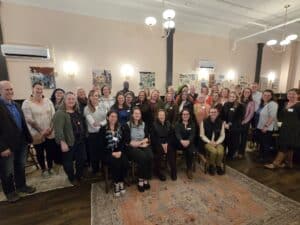


On July 28, 2025, Vermont’s Early Childhood State Advisory Council (SAC) convened a special public forum. The forum invited community voices to help monitor what’s working in the state’s early childhood system—and where there are growing challenges, especially in light of recent federal policy and funding changes.
This conversation is part of BBF’s ongoing work to track the well-being of Vermont’s children and families, identify urgent needs, and elevate them to state leaders.
Participants were invited to share reflections on:
- What’s working well and worth sustaining
- How recent federal and state policy changes have impacted their work
- Anticipated impacts of the One Big Beautiful Bill Act (H.R.1), passed July 4, 2025
- Strategies to mitigate harm or lift up opportunity in this evolving climate
Themes from the July 2025 Early Childhood Public Forum
Strengths to Sustain
Participants expressed strong appreciation for Vermont’s dedicated and passionate early childhood workforce, who continue to show up for children and families even amid mounting challenges. Others highlighted successful community school initiatives and innovative local collaborations aimed at integrating mental health and wraparound services into early childhood settings.
There was also acknowledgment of Vermont’s strong public health infrastructure, such as high childhood immunization rates, as an important foundation to protect and invest in.
Challenges to Elevate
Medicaid System Impacts
A recurring concern centered on Medicaid policy changes under H.R.1, which now requires twice-yearly re-enrollment for certain adult populations. While this does not necessarily directly impact children’s Medicaid eligibility, it will affect the Medicaid expansion population—including many children’s parents. These changes may reduce household stability and create new stress for families. Vermont health officials estimate 45,000 people could lose insurance due to H.R.1.
Nonprofit Management Challenges
Several nonprofit leaders expressed concern about mental health services, home visiting supports, and other programs that receive Medicaid reimbursement. The climate of uncertainty is creating strain on the ability to budget and to retain staff. Providers emphasized the need for strong navigation supports to help families maintain benefits amid shifting rules.
Student Loan Restrictions & the ECE Workforce
The new federal budget also prohibits student loans for degree programs deemed “low-earning,” a designation that includes early childhood education. This provision could undermine efforts to professionalize the early childhood workforce, as Vermont simultaneously works toward minimum compensation standards and potential licensure for early educators through the Office of Professional Regulation.
Heightened Barriers for Immigrant Families
Vermont’s immigrant communities have long faced obstacles accessing services, including linguistic, legal, and eligibility-related barriers. However, recent immigration enforcement efforts have intensified fears and added psychological strain, making it even harder for families to seek support or enroll in programs.
A new source of concern is the eligibility of immigrant children for Head Start, following recent federal guidance. Advocates worry that confusion and fear could depress enrollment and further isolate vulnerable families.
For more about the implications of H.R.1, read this NAEYC summary, “The Cost of Cuts: What Families and Educators Will Lose in the Wake of the Budget Battle”
Strategies to Mitigate Harm
Many participants called for clear, timely communication to both families and providers, with an emphasis on what is known, even amidst uncertainty.
Recommendations included:
- Proactive fall legislative planning to address fiscal gaps before they widen
- Supporting nonprofits and community-based providers in navigating complex benefit changes
- Ensuring families and individuals with lived experience are meaningfully included in state-level decision-making
- Using tools like the Early Childhood Data Portal to inform equitable policy responses
Other Critical Issues BBF Is Tracking
While not all surfaced during the forum, BBF continues to monitor a range of urgent, systemic risks:
- Level funding to Head Start and Housing supports in the face of inflation translates to real cuts in services and threatens program sustainability.
- Turbulent funding cycles are jeopardizing support for nearly 100 afterschool and summer programs that serve 11,000 children statewide—critical services that keep kids safe and supported during non-school hours.
- According to recent analysis from Hunger Free Vermont, it is predicted that changes related to SNAP from H.R.1 will cost the state a minimum of $24 million annually in administrative costs, and as much as $46 million annually, depending on final implementation. It is estimated that up to 14,000 Vermont participants are at risk of losing SNAP eligibility.
- Evolving federal regulations around Medicaid, SNAP, and Head Start eligibility and citizenship could have significant harmful effects on immigrant families, risking both direct exclusion and chilling effects on program participation.
- Fingerprint-based background checks are taking 3–6 months to be returned in Vermont, preventing Head Start programs from hiring on the timeline required while being in compliance and ensuring the security of their funding status with the Office of Head Start.
Reflections from the Council
The forum closed with reflections from SAC members and community leaders, who emphasized the importance of:
- Strengthening interagency collaboration
- Timely and transparent sharing of information in a rapidly changing environment
- Elevating family voice in program design and policy-making
- Honoring frontline work amid policy instability and workforce fatigue
A common thread emerged: we are interconnected, and our policies must reflect that reality. By investing upstream and responding quickly to warning signs, Vermont can continue to lead with care and foresight.
What’s Next
BBF will integrate what was shared into the next phase of Vermont’s Early Childhood Strategic Plan (2026–2030). These insights also help shape real-time advocacy, data products, and technical assistance across the system.
As BBF Deputy Director Beth Truzansky shared during the meeting, “We are listening. And we’re committed to making sure what we hear makes its way to the places where it can make change.”