Building Bright Futures (BBF) is Vermont’s early childhood public-private partnership, charged under Vermont Title 33 § Chapter 46 and the Federal Head Start Act (Public Law 110-134) as Vermont’s Early Childhood State Advisory Council (SAC) and Network.
Building Bright Futures (BBF) is a nonprofit organization working to improve the well-being of young children and families in Vermont. We do this by monitoring Vermont’s early care, health, and education systems while advising the Governor, Administration, and Legislature on policy improvements.
I became BBF’s Regional Manager for the Lamoille Valley and Central Vermont regions in 2023 after spending more than two decades working in the early childhood field, where I learned so much from children and families. Most recently, I ran an early childhood education center in Moretown and have also worked in Early Intervention—the services […]
We’re asking agencies and organizations that have statewide leadership opportunities for families and caregivers to advise on policy making, program implementation, or other system-wide efforts to complete the Family Leadership Inventory survey by Friday, May 3. Information collected from the survey will guide the development of an accessible resource that informs statewide practices to make […]
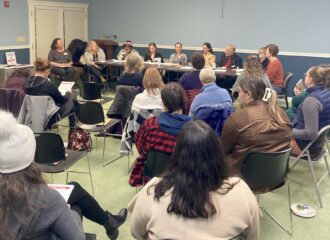
On March 25, Vermont’s Early Childhood State Advisory Council (SAC) met to build relationships among members and learn about early successes and impacts of the Building Integration in Vermont’s B-5 Early Childhood Systems (VIP B-5) project. At the meeting, we welcomed five new members: Dr. Debra Hartswick, Kiona Baez Heath, Amber Hewston, Erica McLaughlin, and […]
Convene individuals, organizations, and agencies committed to young children, recognizing that we can better meet the diverse needs of all children and families when we work together.